
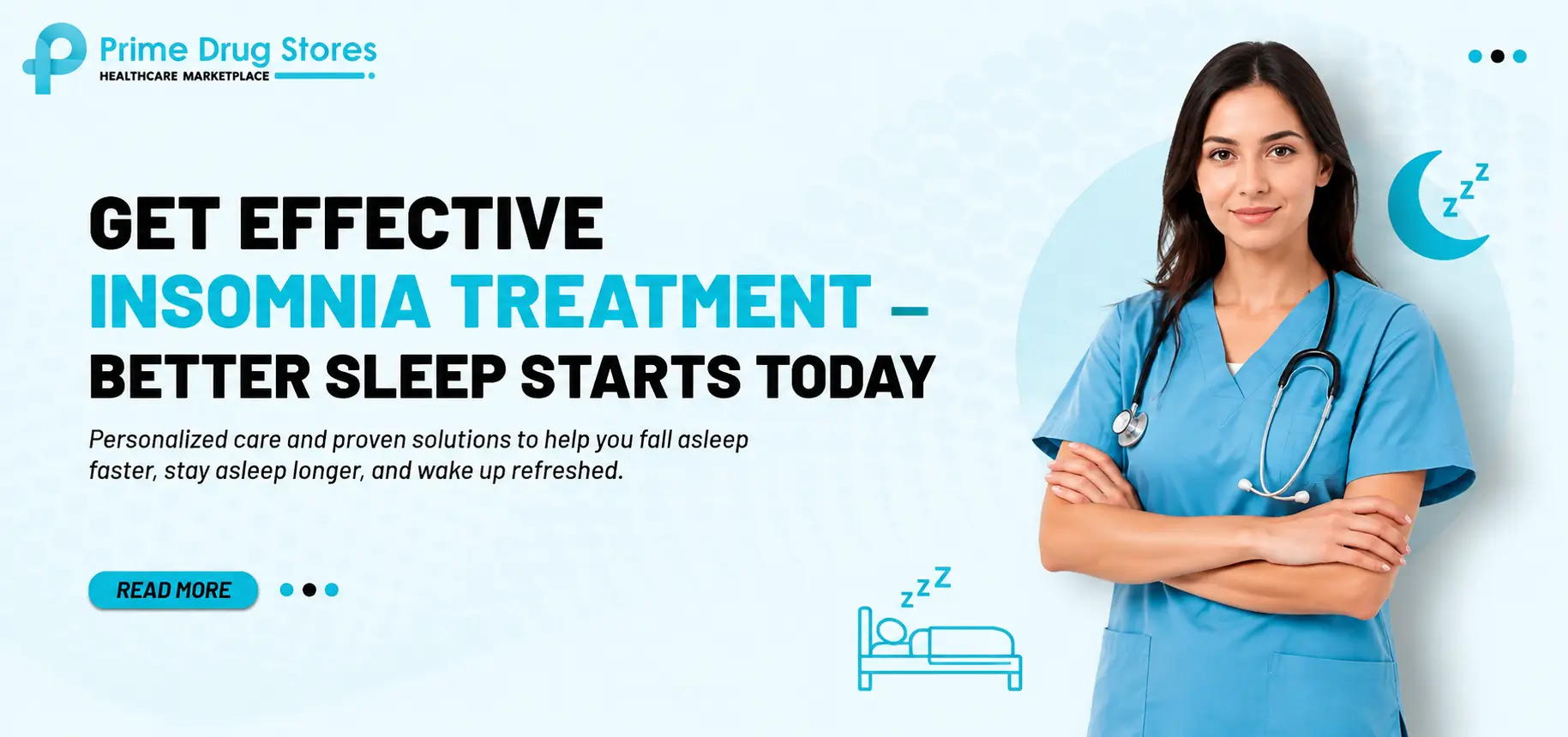
Insomnia: Causes, Symptoms, Treatment & Tips for Better Sleep
Introduction
Sleep is one of the most important pillars of good health, yet millions of people struggle to get enough quality rest every night. Insomnia is among the most common sleep disorders worldwide, affecting people of all ages. Whether it involves difficulty falling asleep, staying asleep, or waking up too early, insomnia can significantly impact physical health, emotional well-being, work performance, and overall quality of life.
Occasional sleepless nights are normal, especially during periods of stress or major life changes. However, when sleep problems persist for weeks or months, they may indicate chronic insomnia that requires attention. Fortunately, insomnia is often treatable through lifestyle changes, behavioral therapies, and, in some cases, medication prescribed by a healthcare professional.
This guide explains insomnia in detail, including its causes, symptoms, diagnosis, treatment options, prevention strategies, and practical tips for achieving healthier sleep.
What Is Insomnia?
Insomnia is a sleep disorder characterized by persistent difficulty falling asleep, staying asleep, or waking up earlier than desired despite having enough opportunity to sleep. People with insomnia often feel dissatisfied with their sleep and experience daytime fatigue, irritability, poor concentration, and reduced productivity.
The condition may occur occasionally or become chronic if symptoms continue for three months or longer and occur at least three nights per week.
Types of Insomnia
- Acute InsomniaAcute insomnia lasts from a few days to several weeks and is usually triggered by stress, travel, illness, or emotional events.Examples include:
- Job interviews
- Family emergencies
- Exams
- Relationship problems
- Jet lag
Acute insomnia often resolves once the underlying cause disappears.
- Chronic InsomniaChronic insomnia continues for at least three months and occurs multiple times each week.Possible causes include:
- Chronic stress
- Anxiety disorders
- Depression
- Chronic pain
- Medical conditions
- Poor sleep habits
- Sleep-Onset InsomniaPeople have difficulty falling asleep at bedtime.Common causes include:
- Anxiety
- Excessive screen time
- Caffeine consumption
- Irregular bedtime schedules
- Sleep-Maintenance InsomniaIndividuals fall asleep normally but wake repeatedly during the night.Possible reasons include:
- Sleep apnea
- Pain
- Frequent urination
- Medication side effects
- Early Morning AwakeningPeople wake several hours before planned and cannot return to sleep.This may be associated with depression or aging.
Common Symptoms
Insomnia affects both nighttime sleep and daytime functioning.
Common symptoms include:
- Difficulty falling asleep
- Frequent nighttime awakenings
- Waking too early
- Feeling tired after sleep
- Daytime sleepiness
- Irritability
- Mood changes
- Anxiety
- Difficulty concentrating
- Poor memory
- Reduced work performance
- Headaches
- Low motivation
Causes of Insomnia
Many different factors can contribute to insomnia.
Psychological Causes
- Stress
- Anxiety
- Depression
- PTSD
- Excessive worrying
Lifestyle Factors
- Drinking caffeine late in the day
- Smoking
- Alcohol consumption
- Heavy evening meals
- Irregular sleep schedules
- Night-shift work
- Excessive smartphone use before bed
Medical Conditions
Several health conditions interfere with sleep, including:
- Chronic pain
- Arthritis
- Asthma
- Acid reflux
- Heart disease
- Diabetes
- Thyroid disorders
- Neurological disorders
Medications
Some medicines may interfere with sleep, including certain:
- Steroids
- Antidepressants
- Blood pressure medications
- Stimulants
- Decongestants
Always consult a healthcare professional before stopping prescribed medication.
Risk Factors
Anyone can develop insomnia, but risk increases among:
- Older adults
- Women
- Shift workers
- Frequent travelers
- People with mental health conditions
- Individuals under chronic stress
- Those with poor sleep habits
How Is Insomnia Diagnosed?
Healthcare providers evaluate insomnia using:
- Medical history
- Sleep history
- Physical examination
- Sleep questionnaires
- Sleep diary
- Review of medications
- Assessment of mental health
In some cases, a sleep study (polysomnography) may be recommended to identify other sleep disorders.
Treatment Options
Treatment depends on the underlying cause.
- Cognitive Behavioral Therapy for Insomnia (CBT-I)CBT-I is considered the first-line treatment for chronic insomnia.It helps people:
- Change negative thoughts about sleep
- Improve bedtime habits
- Reduce anxiety about sleeping
- Build healthier sleep routines
- Lifestyle ChangesSimple daily habits often improve sleep quality.These include:
- Keeping a regular bedtime
- Limiting caffeine in the afternoon
- Avoiding nicotine before bed
- Reducing alcohol intake
- Exercising regularly
- Creating a comfortable sleep environment
- Relaxation TechniquesHelpful techniques include:
- Deep breathing
- Meditation
- Progressive muscle relaxation
- Mindfulness
- Gentle stretching
- MedicationsHealthcare providers may prescribe sleep medications for selected patients when appropriate. These are generally intended for short-term use due to potential side effects and the risk of dependence with some medications.Never start or stop sleep medication without guidance from a qualified healthcare professional.
Healthy Sleep Hygiene Tips
Good sleep hygiene can significantly reduce insomnia.
Maintain a Consistent Schedule
Go to bed and wake up at the same time every day, including weekends.
Limit Screen Time
Avoid phones, tablets, and computers at least one hour before bedtime because blue light can interfere with melatonin production.
Optimize Your Bedroom
Your bedroom should be:
- Quiet
- Cool
- Dark
- Comfortable
Exercise Regularly
Physical activity supports better sleep, but vigorous exercise should be avoided close to bedtime.
Watch Your Diet
Avoid:
- Large meals before bedtime
- Excess caffeine
- Energy drinks
- Excess sugar late in the evening
Foods That May Support Better Sleep
Some foods contain nutrients associated with healthy sleep, including:
- Kiwi
- Cherries
- Bananas
- Almonds
- Walnuts
- Oats
- Warm milk
- Chamomile tea (if appropriate)
These foods are not cures for insomnia but may complement healthy sleep habits.
Complications of Untreated Insomnia
Long-term insomnia can contribute to:
- Reduced concentration
- Poor work performance
- Increased accident risk
- Mood disorders
- Weakened immune function
- Reduced quality of life
- Relationship difficulties
- Increased healthcare utilization
Addressing persistent insomnia early may help reduce these impacts.
When Should You Seek Medical Advice?
Consult a healthcare professional if:
- Sleep problems persist for several weeks.
- Daytime functioning is significantly affected.
- Loud snoring or pauses in breathing occur during sleep.
- You experience severe anxiety or depression along with insomnia.
- You rely on sleep medications frequently.
- Fatigue interferes with work or driving.
Prompt evaluation can help identify underlying causes and guide appropriate treatment.
Can Insomnia Be Prevented?
While not every case is preventable, these habits can reduce the risk:
- Maintain consistent sleep and wake times.
- Manage stress with relaxation techniques.
- Stay physically active.
- Limit caffeine and alcohol, especially later in the day.
- Keep electronic devices out of the bedroom when possible.
- Reserve the bed for sleep rather than work or prolonged screen use.
Frequently Asked Questions
Is insomnia common?
Yes. It is one of the most common sleep disorders and affects people across all age groups.
How many hours of sleep do adults need?
Most adults benefit from about 7–9 hours of sleep each night, though individual needs can vary.
Can stress cause insomnia?
Yes. Stress is one of the most common triggers of short-term insomnia and can also contribute to chronic sleep difficulties if it persists.
Is insomnia always chronic?
No. Many people experience short-term insomnia related to temporary life events, while others develop chronic insomnia that lasts for months.
Is sleeping medication the only treatment?
No. Cognitive Behavioral Therapy for Insomnia (CBT-I), healthy sleep habits, and addressing underlying medical or psychological conditions are often key parts of treatment.
Conclusion
Insomnia is a common but manageable sleep disorder that can affect every aspect of daily life. While occasional sleep problems are a normal response to stress or changes in routine, persistent insomnia deserves attention. Understanding the causes, recognizing the symptoms, and adopting healthy sleep habits are important first steps toward better rest.
If insomnia continues despite lifestyle changes or significantly affects your daily functioning, seek guidance from a qualified healthcare professional. Early evaluation and evidence-based treatment—such as CBT-I and management of underlying conditions—can improve sleep quality, overall health, and well-being.
By prioritizing healthy sleep practices and addressing sleep concerns promptly, many people can regain restful nights and enjoy the benefits of restorative sleep.

Product Categories
-
 Buy Adipex Online
 -
 Buy Adderall Online
 -
 Buy Alprazolam Online
 -
 Buy Ambien Online
 -
 Buy Ativan Online
 -
 Buy Belbien Online
 -
 Buy Buprenorphine Online
 -
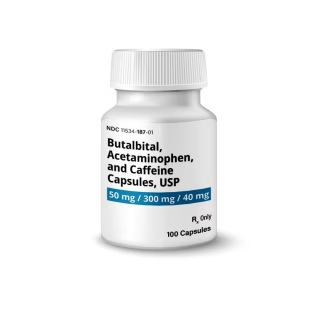 Buy Butalbital Online
 -
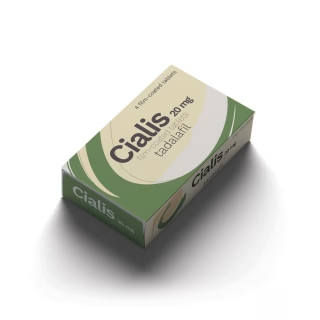 Buy Cialis Online
 -
 Buy Claritin Online
 -
 Buy Clonazepam Online
 -
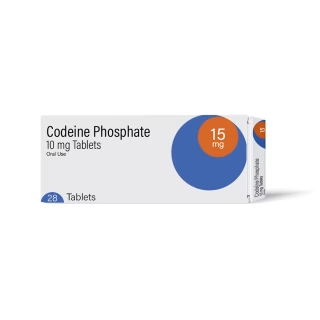 Buy Codeine Online
 -
 Buy Concerta Online
 -
 Buy Diazepam Online
 -
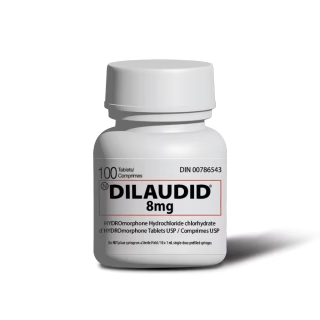 Buy Dilaudid Online
 -
 Buy Farmapram Online
 -
 Buy Fioricet Online
 -
 Buy Gabapentin Online
 -
 Buy Hydrocodone online
 -
 Buy Hydromorphone Online
 -
 Buy Klonopin Online
 -
 Buy Ksalol Online
 -
 Buy Levitra Online
 -
 Buy Lorazepam Online
 -
 Buy Lortab Online
 -
 Buy Lunesta Online
 -
 Buy Methadone Online
 -
 Buy Methylphenidate Online
 -
 Buy Norco Online
 -
 Buy Opana ER Online
 -
 Buy Oxycodone Online
 -
 Buy Oxycontin Online
 -
 Buy Oxymorphone Online
 -
 Buy Percocet Online
 -
 Buy Phentermine Online
 -
 Buy Pregabalin Online
 -
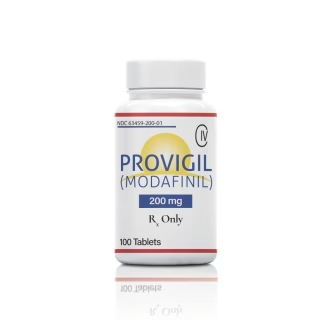 Buy Provigil Online
 -
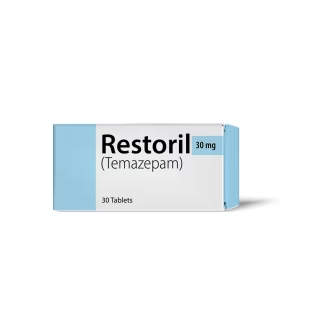 Buy Restoril Online
 -
 Buy Ritalin Online
 -
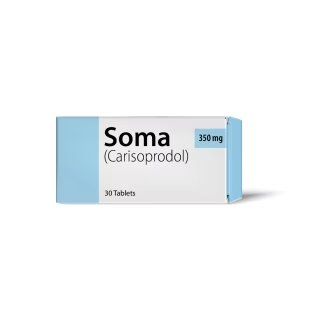 Buy Soma Online
 -
 Buy Suboxone Online
 -
 Buy Tapentadol Online
 -
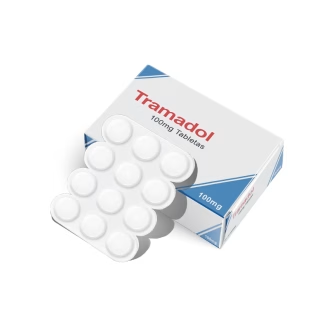 Buy Tramadol Online
 -
 Buy Valium Online
 -
 Buy Viagra Online
 -
 Buy Vicodin Online
 -
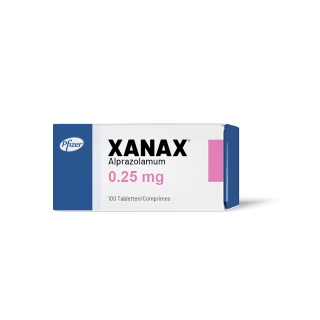 Buy Xanax Online
 -
 Buy Zolpidem Online



Leave a Reply